

There is a quiet revolution happening inside formulation labs across the world. Brand managers are sending back ingredient lists. R&D teams are being asked to reformulate. Procurement heads are adding new questions to their supplier RFPs, questions that did not exist five years ago.
The question at the centre of all of it is deceptively simple: Can you tell me exactly where this ingredient came from, how it was made, and what was done to it along the way?
For a growing number of food, nutraceutical, pharmaceutical, and personal care brands, rice-derived ingredients are becoming the answer to that question. Not because rice is trendy. Because it is traceable, functional, hypoallergenic, and carefully processed to deliver exceptional purity.
Here is why the switch is happening, and why it is not slowing down.
The Clean-Label Pressure Is Real, and It Is Coming From Every Direction
Consumers are reading labels more carefully than ever. Retailers are tightening their own-label ingredient standards. Regulators across Europe and Asia are raising the bar on what can and cannot appear on a clean-label product. And somewhere in the middle of all that pressure sits the formulator, trying to build a product that performs, passes compliance, and still makes sense to someone standing in an aisle.
The ingredients that tend to survive that pressure are the ones with short stories. Where did it come from? A grain. What was done to it? As little as possible. What is left at the end? Something neutral, functional, and easy to explain.
Rice-derived ingredients such as rice starch, rice protein concentrate, rice maltodextrin, rice glucose syrup, rice protein hydrolysate, clarified rice syrup, high maltose syrup, rice fibre, and IMO – check every one of those boxes. And increasingly, procurement teams are asking for them by name.
What Rice Brings to a Formulation That Other Sources Cannot
The shift away from corn, tapioca, and wheat-derived alternatives is not arbitrary. It is driven by specific functional and commercial advantages that rice offers at the ingredient level.
Hypoallergenicity. Rice is one of the least allergenic grains in the world. For brands formulating for infant nutrition, clinical nutrition, or allergen-sensitive populations, that is not a minor advantage, it is often the deciding factor. Rice protein concentrate and rice protein hydrolysate, in particular, are increasingly specified in formulations where soy or dairy proteins are no longer viable.
Neutral taste and odour. One of the most underrated qualities of rice-derived ingredients is what they do not do. Rice starch, rice maltodextrin, and rice dried glucose syrup are all odourless and neutral in taste, which means they do not compete with the flavour profile a product is trying to build. That matters enormously in beverages, infant foods, and nutraceutical formats where off-notes are unacceptable.
Functional versatility. Rice starch delivers fine control over viscosity, gel strength, and stability across wide temperature ranges. Rice maltodextrin offers excellent solubility, mild sweetness, and carrier functionality for spray-dried formulations. Whole rice maltodextrin adds the complexity of a full-grain carbohydrate profile. IMO (Isomaltooligosaccharide) functions as a low-calorie prebiotic sweetener. High maltose syrup and rice maltose brewers syrup are finding strong adoption in confectionery, bakery, and brewing applications where clean sweetness and fermentation performance matter.
Non-GMO sourcing. Across every market where clean-label is gaining ground, non-GMO status is moving from a differentiator to a baseline expectation. Rice-derived ingredients sourced from verified non-GMO paddy satisfy this requirement at the origin, before processing even begins.
The Supply Chain Story Matters as Much as the Ingredient Story
Here is something that does not appear on a spec sheet but shapes every sourcing conversation: where does the ingredient actually come from, and can you trust the process that made it?
Brands that have built their reputation on clean-label claims are increasingly aware that their ingredient partner’s manufacturing standards are a direct reflection of their own. A clean label on the front of a pack is only as credible as the facility, the testing regime, and the supply chain that produced what is inside.
This is where manufacturers who have invested in end-to-end traceability, in-house laboratory infrastructure, and sustainable manufacturing practices are pulling ahead of those who have not. Clients want these features, not as optional add-ons, but as the minimum standard for a partnership conversation.
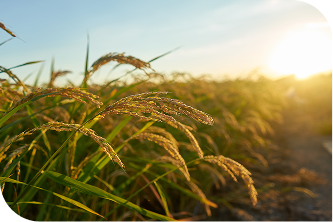
Here at Starizo, every batch of rice starch, rice protein, rice fibre, and derivative ingredients is traceable from the non-GMO paddy sourced in the Cauvery Delta region of Tamil Nadu through every stage of processing to final dispatch. In-house testing covers wet chemistry, microbiology, pesticide and heavy metal analysis, sensory evaluation, and stability studies, all NABL-accredited.
Sustainability Is Not a Side Story. It Is the Manufacturing Model.
Clean-label brands are also clean-conscience brands. Their customers care about where ingredients come from, but they also care about how they are made, and what the process leaves behind.
This is where rice-derived ingredient manufacturing, done properly, holds a structural advantage. A well-designed rice processing facility produces multiple valuable outputs from a single grain: food ingredients, energy from rice husk combustion, silica from ash, CNG from methane recovery, and bio-fertiliser from sludge treatment. The by-product of one process becomes the input of the next.
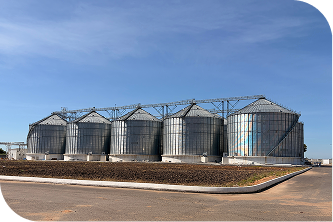
Starizo operates on a ZLD (Zero Liquid Discharge) model. ZLD sits at the core of how the facility runs. It is the process architecture from which methane recovery, CNG production, and bio-fertiliser generation all follow. Up to 85% of process water is recycled back into the system. The facility is carbon-neutral, powered in part by an 8MW in-house power plant fuelled by rice husk. This is not sustainability as a campaign. It is sustainability as an engineering decision, made before the first batch was ever produced.
For clean-label brands whose customers are asking about carbon footprint, supply chain ethics, and environmental accountability, sourcing from a ZLD, carbon-neutral facility is not just a good story. It is a defensible claim.
The Brands Moving First Are Building the Moat
There is a competitive dimension to this conversation that does not get discussed enough. The brands that reformulate to rice-derived ingredients now, before regulatory pressure forces it, before their retail partners mandate it, before their competitors do it, are building a sourcing advantage that is hard to replicate quickly.
Finding the right ingredient partner, validating the supply chain, completing stability testing, and updating regulatory documentation takes time. Brands that have already done that work with a reliable supplier are not starting from scratch every time the market shifts. They are building on a foundation.
That is why procurement teams who are evaluating ingredient partners at events like Fi India 2026 are not just looking for a product. They are looking for a manufacturer who can grow with them – one with the technical depth to support co-development, the R&D capability to work from a brief, and the supply reliability that comes from being grain-sufficient, water-sufficient, and power-sufficient.
Clean-label is not a trend. It is a direction. And the ingredient infrastructure that supports it is being built right now.
Frequently Asked Questions
What makes rice-derived ingredients suitable for clean-label formulations?
Rice-derived ingredients, including rice starch, rice protein concentrate, rice maltodextrin, and rice glucose syrup are non-GMO, hypoallergenic, neutral in taste, and free from chemical modification when processed correctly. They carry short, recognisable ingredient names that consumers and retailers accept readily, and they meet the sourcing transparency standards that modern clean-label compliance requires. For brands under pressure to simplify their ingredient lists without losing functional performance, rice-derived ingredients offer a viable and increasingly preferred solution.
How does Zero Liquid Discharge (ZLD) relate to clean-label ingredient sourcing?
Zero Liquid Discharge (ZLD) is a manufacturing process in which no liquid effluent is released from the facility. In a ZLD system, process water is fully treated, recycled, and reused, with by-products like methane recovered as CNG and sludge converted into bio-fertiliser. For clean-label brands, sourcing from a ZLD-certified facility means the ingredient's environmental footprint is as clean as its label claim. Brands whose customers ask about carbon neutrality and responsible manufacturing can point to ZLD as a verifiable, third-party-auditable standard.
Are rice-derived ingredients suitable for infant and clinical nutrition formulations?
Yes. Rice protein concentrate and rice protein hydrolysate are among the most widely used protein sources in infant and clinical nutrition formulations precisely because of their low allergenicity, easy digestibility, and consistent amino acid profile batch after batch. Rice starch is also used as a texture base in clinical nutrition products. Brands formulating for these categories should look for suppliers who can provide full regulatory documentation, stability data, and NABL-accredited test reports, since this segment carries a higher compliance bar than almost any other food category.
How do rice-derived sweeteners compare to conventional sweeteners in food and beverage applications?
Rice glucose syrup, clarified rice syrup, high maltose syrup, and IMO (isomaltooligosaccharide) offer clean sweetness profiles without the label concerns associated with high-fructose corn syrup or artificial sweeteners. Rice maltose brewers syrup, specifically, is gaining adoption in the brewing industry for its ability to deliver balanced fermentation performance, clean finish, and improved brewery efficiency without harsh adjunct flavours. For confectionery, bakery, and beverage brands, rice-derived sweeteners provide the functional performance of conventional options with a cleaner, more defensible ingredient declaration.
What should procurement teams look for when evaluating a rice ingredient supplier?
Beyond the product specification, procurement teams should evaluate four things: traceability documentation that maps sourcing from field to facility; in-house laboratory capability covering microbiology, wet chemistry, heavy metals, and stability testing; sustainability credentials including ZLD compliance and carbon-neutral manufacturing; and supply reliability, specifically whether the supplier is grain-sufficient, water-sufficient, and power-sufficient to guarantee consistent availability across the year. A supplier who can demonstrate all four is not just selling an ingredient. They are offering a sourcing foundation that holds up under audit, under regulatory scrutiny, and under commercial pressure. Starizo manufactures rice-derived ingredients - rice starch, rice protein, rice maltodextrin, glucose and maltose syrups, rice fibre, IMO, and rice protein hydrolysate, from non-GMO paddy sourced in the Cauvery Delta region of Tamil Nadu. Meet the Starizo team at Fi India 2026, Bombay Exhibition Centre, Mumbai, 26–28 August. Bring your brief. Our team will take it from there.